This article is being expanded for more depth. Check back soon!

Electrocardiogram ECG Interpretation Guide for Medical and Clinical Practice
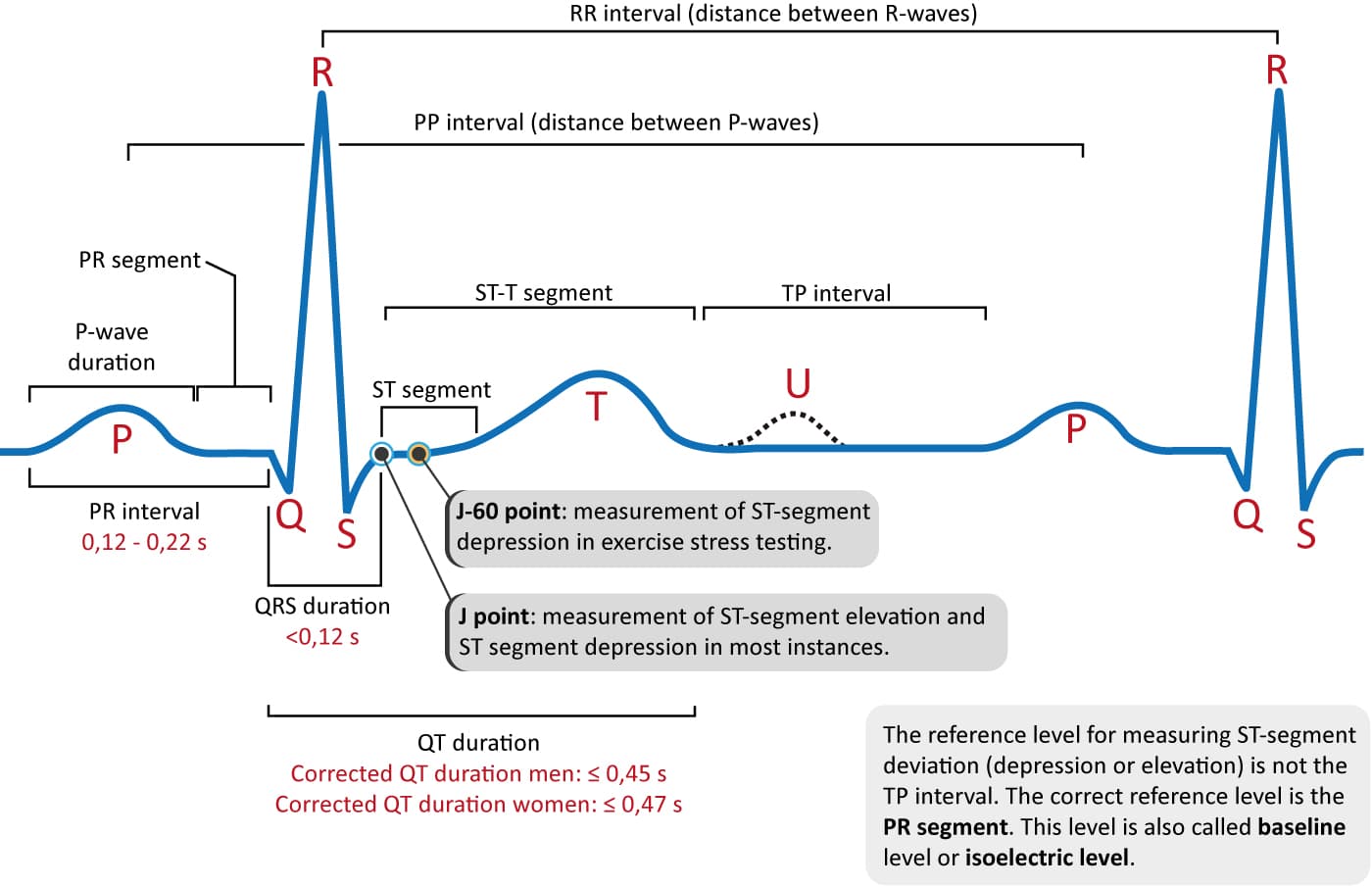
Author: Medical Editorial Team – Board-certified physicians with 10+ years in emergency medicine. Learn more.

Illustration of Electrocardiogram ECG Interpretation Guide for Medical and Clinical Practice symptoms

Medical Disclaimer: This is educational content only, not medical advice. Consult a licensed healthcare provider for diagnosis/treatment. Information based on sources like WHO/CDC guidelines (last reviewed: 2026-02-13).

About the Author: Dr. Dinesh, MBBS, is a qualified medical doctor with over [2 years – add your experience] of experience in general medicine As the owner and lead content creator of LearnWithTest.pro, Dr. Dinesh ensures all articles are based on evidence-based guidelines from sources like WHO, CDC, and peer-reviewed journals. This content is for educational purposes only and not a substitute for professional medical advice.

Contact Details: For inquiries or collaborations, reach out at:

All content is reviewed for accuracy and updated regularly (last review: January 10, 2026). We prioritize trustworthiness by citing reliable sources and adhering to medical ethics.

Frequently Asked Questions

What is an ECG?

An electrocardiogram (ECG) is a non-invasive test that records the electrical activity of the heart over time to assess heart rhythm, rate, conduction abnormalities, ischemia, and structural heart disease.

What does a normal ECG show?

A normal ECG shows sinus rhythm with a rate of 60–100 bpm, normal P waves before each QRS complex, PR interval 120–200 ms, QRS duration <120 ms, and no significant ST-T abnormalities.

What are the main components of an ECG waveform?

The main components are the P wave (atrial depolarization), PR interval (AV conduction), QRS complex (ventricular depolarization), ST segment, T wave (ventricular repolarization), and QT interval.

How many leads are used in a standard ECG?

A standard ECG uses 12 leads: 6 limb leads (I, II, III, aVR, aVL, aVF) and 6 precordial chest leads (V1–V6).

What does ST elevation on ECG indicate?

ST elevation usually indicates acute myocardial injury, most commonly ST-elevation myocardial infarction (STEMI), but can also be seen in pericarditis, early repolarization, and ventricular aneurysm.

What ECG changes are seen in myocardial infarction?

Typical changes include hyperacute T waves, ST elevation or depression, pathological Q waves, and T wave inversion depending on the stage and location of infarction.

What is the significance of QT interval prolongation?

Prolonged QT interval increases the risk of torsades de pointes, a potentially life-threatening polymorphic ventricular tachycardia.

How is heart rate calculated on ECG?

In regular rhythm, heart rate is calculated as 300 divided by the number of large squares between two R waves. In irregular rhythm, QRS complexes are counted in 10 seconds and multiplied by 6.

What ECG findings suggest atrial fibrillation?

Atrial fibrillation shows an irregularly irregular rhythm with absent P waves and variable R–R intervals.

What is a wide QRS complex and what does it indicate?

A wide QRS complex (>120 ms) suggests abnormal ventricular conduction such as bundle branch block, ventricular rhythm, hyperkalemia, or drug toxicity.

What are common ECG changes in electrolyte abnormalities?

Hyperkalemia causes tall peaked T waves and wide QRS, hypokalemia causes U waves and flat T waves, hypercalcemia shortens QT interval, and hypocalcemia prolongs QT interval.

What is axis deviation on ECG?

Axis deviation refers to abnormal direction of ventricular depolarization. Left axis deviation and right axis deviation are associated with specific cardiac and pulmonary conditions.

What ECG features indicate pericarditis?

Acute pericarditis typically shows diffuse ST elevation with PR segment depression across multiple leads.

Can ECG be normal in heart disease?

Yes, ECG can be normal in early ischemia, stable angina, or some structural heart diseases, so clinical correlation is always required.

Why is ECG important in emergency medicine?

ECG provides rapid diagnosis of life-threatening conditions such as myocardial infarction, ventricular arrhythmias, heart block, and electrolyte disturbances, guiding immediate management.

MCQ Test - Electrocardiogram ECG Interpretation Guide for Medical and Clinical Practice

Progress:
0/15
Time: 00:00

1 A 64-year-old man presents with acute chest pain. ECG shows ST elevation in leads V1–V4 with reciprocal ST depression in II, III, and aVF. Which artery is most likely occluded?

Explanation:

ST elevation in V1–V4 indicates an anterior wall myocardial infarction, most commonly due to left anterior descending artery occlusion.

2 A patient presents with syncope. ECG shows prolonged QT interval with polymorphic ventricular tachycardia. Which electrolyte abnormality most likely contributed to this finding?

Explanation:

Hypokalemia prolongs the QT interval and predisposes to torsades de pointes.

3 A 58-year-old woman with chest pain has diffuse ST elevation and PR depression on ECG. Which feature helps differentiate this condition from acute myocardial infarction?

Explanation:

PR segment depression with diffuse ST elevation is characteristic of acute pericarditis.

4 ECG shows irregularly irregular rhythm, absent P waves, and narrow QRS complexes. Which complication is the patient at highest risk for?

Explanation:

Atrial fibrillation increases the risk of thromboembolism leading to ischemic stroke.

5 A patient with a ventricular rate of 35 bpm has ECG showing complete AV dissociation. What is the most appropriate immediate management?

Explanation:

Symptomatic complete heart block requires urgent temporary pacing.

6 ECG shows tall R waves and ST depression in leads V1–V3. This pattern most likely indicates?

Explanation:

Posterior MI manifests as reciprocal changes in V1–V3 with tall R waves and ST depression.

7 A patient on digoxin develops nausea and visual disturbances. ECG shows atrial tachycardia with AV block. Which ECG sign supports digoxin toxicity?

Explanation:

Scooped ST depression, known as the reverse tick sign, is characteristic of digoxin effect.

8 A patient presents with sudden dyspnea and chest pain. ECG shows S1Q3T3 pattern. What is the most likely diagnosis?

Explanation:

S1Q3T3 pattern is classically associated with acute pulmonary embolism.

9 ECG shows short PR interval, delta wave, and episodes of supraventricular tachycardia. Which mechanism explains this finding?

Explanation:

Wolff–Parkinson–White syndrome is caused by an accessory pathway allowing pre-excitation.

10 A patient with hyperkalemia is at risk of which progressive ECG change if untreated?

Explanation:

Severe hyperkalemia leads to progressive QRS widening and sine-wave pattern.

11 A young athlete collapses during exercise. ECG shows deep T wave inversions in precordial leads. Which diagnosis should be suspected?

Explanation:

Deep T wave inversion in athletes suggests hypertrophic cardiomyopathy, a cause of sudden cardiac death.

12 ECG shows Mobitz type I AV block. Which ECG feature defines this condition?

Explanation:

Mobitz type I (Wenckebach) is characterized by progressive PR prolongation followed by a dropped beat.

13 A patient with chest trauma develops hypotension and ECG shows electrical alternans. What is the most likely cause?

Explanation:

Electrical alternans is a classic ECG sign of large pericardial effusion causing tamponade.

14 ECG shows concave ST elevation with prominent J-point in a healthy young adult. Which diagnosis is most likely?

Explanation:

Early repolarization causes benign concave ST elevation in young healthy individuals.

15 A wide-complex tachycardia is seen in a patient with previous myocardial infarction. What should be assumed until proven otherwise?

Explanation:

Wide-complex tachycardia in structural heart disease should be presumed ventricular tachycardia.

Test Results

0%
0/15
0
Correct Answers
0
Wrong Answers
00:00
Time Taken
0
Skipped
View Exam Mode MCQs (1767335956-index-2026-01-02T120743.372.html)

Related Articles

Comments