This article is being expanded for more depth. Check back soon!

Hyperthyroidism Clinical Guide Diagnosis Causes Symptoms Treatment
Author: Medical Editorial Team – Board-certified physicians with 10+ years in emergency medicine. Learn more.

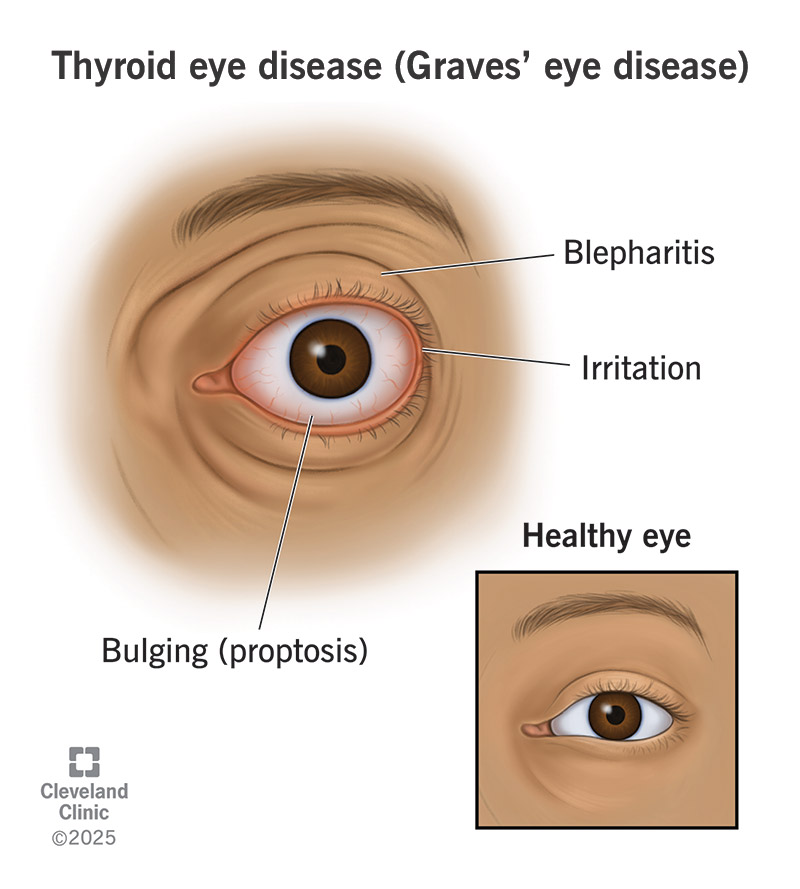
Illustration of Hyperthyroidism Clinical Guide Diagnosis Causes Symptoms Treatment symptoms

Medical Disclaimer: This is educational content only, not medical advice. Consult a licensed healthcare provider for diagnosis/treatment. Information based on sources like WHO/CDC guidelines (last reviewed: 2026-02-13).

About the Author: Dr. Dinesh, MBBS, is a qualified medical doctor with over [2 years – add your experience] of experience in general medicine As the owner and lead content creator of LearnWithTest.pro, Dr. Dinesh ensures all articles are based on evidence-based guidelines from sources like WHO, CDC, and peer-reviewed journals. This content is for educational purposes only and not a substitute for professional medical advice.

Contact Details: For inquiries or collaborations, reach out at:

All content is reviewed for accuracy and updated regularly (last review: January 10, 2026). We prioritize trustworthiness by citing reliable sources and adhering to medical ethics.

Frequently Asked Questions

What is hyperthyroidism?

Hyperthyroidism is a clinical condition caused by excessive production and release of thyroid hormones (T3 and T4) from the thyroid gland, leading to a hypermetabolic state.

What is the difference between hyperthyroidism and thyrotoxicosis?

Hyperthyroidism refers specifically to increased hormone production by the thyroid gland, whereas thyrotoxicosis refers to excess circulating thyroid hormones from any cause, including exogenous intake or thyroiditis.

What is the most common cause of hyperthyroidism?

Graves’ disease is the most common cause of hyperthyroidism worldwide, especially in young and middle-aged women.

What are the cardinal symptoms of hyperthyroidism?

Weight loss despite increased appetite, heat intolerance, palpitations, tremors, anxiety, excessive sweating, and fatigue are cardinal symptoms.

Why do patients with hyperthyroidism develop palpitations?

Excess thyroid hormones increase beta-adrenergic receptor sensitivity, leading to tachycardia, increased cardiac output, and palpitations.

What are the typical thyroid function test findings in hyperthyroidism?

Suppressed TSH with elevated free T4 and/or free T3 levels is the hallmark laboratory finding.

What is T3 toxicosis?

T3 toxicosis is a form of hyperthyroidism where TSH is suppressed and T3 is elevated while T4 remains within the normal range.

What is apathetic hyperthyroidism?

Apathetic hyperthyroidism is a presentation seen mainly in elderly patients, characterized by weight loss, depression, atrial fibrillation, and minimal adrenergic symptoms.

How is Graves’ disease diagnosed?

Graves’ disease is diagnosed by clinical features, suppressed TSH, elevated thyroid hormones, positive TSH receptor antibodies, and diffuse increased uptake on radioactive iodine scan.

Why is radioactive iodine uptake low in thyroiditis?

In thyroiditis, excess hormones are released from damaged follicles rather than newly synthesized, resulting in low radioactive iodine uptake.

What are the main treatment options for hyperthyroidism?

Treatment options include beta-blockers for symptom control, antithyroid drugs (methimazole or propylthiouracil), radioactive iodine therapy, and surgery.

Why are beta-blockers used in hyperthyroidism?

Beta-blockers control adrenergic symptoms such as tremors, palpitations, and anxiety; propranolol also reduces peripheral conversion of T4 to T3.

What is the most serious adverse effect of antithyroid drugs?

Agranulocytosis is the most serious adverse effect, presenting with fever and sore throat and requiring immediate drug cessation.

Which antithyroid drug is preferred during the first trimester of pregnancy?

Propylthiouracil is preferred in the first trimester due to lower teratogenic risk compared to methimazole.

What is thyroid storm?

Thyroid storm is a life-threatening complication of severe hyperthyroidism characterized by hyperpyrexia, delirium, severe tachycardia, and heart failure.

Why is iodine given after antithyroid drugs in thyroid storm?

Iodine is given after antithyroid drugs to prevent stimulation of new hormone synthesis and to block hormone release.

What are common cardiovascular complications of hyperthyroidism?

Atrial fibrillation, high-output heart failure, widened pulse pressure, and worsening angina are common cardiovascular complications.

Can hyperthyroidism cause osteoporosis?

Yes, excess thyroid hormones increase bone resorption, leading to decreased bone mineral density and osteoporosis.

What is subclinical hyperthyroidism?

Subclinical hyperthyroidism is defined by suppressed TSH with normal T3 and T4 levels and may still increase cardiovascular and bone risks.

What is the long-term outcome after radioactive iodine therapy?

Most patients develop permanent hypothyroidism and require lifelong levothyroxine replacement.

MCQ Test - Hyperthyroidism Clinical Guide Diagnosis Causes Symptoms Treatment

Progress:
0/15
Time: 00:00

1 A 30-year-old woman presents with weight loss, palpitations, heat intolerance, and tremors. Examination reveals diffuse goiter and lid lag. Labs show suppressed TSH and elevated free T4. What is the most likely diagnosis?

Explanation:

Graves disease is characterized by diffuse goiter, ophthalmic signs, suppressed TSH, and elevated thyroid hormones due to TSH receptor–stimulating antibodies.

2 A 75-year-old man presents with weight loss, fatigue, and new-onset atrial fibrillation but minimal tremor. TSH is suppressed with mildly elevated free T4. What is the most likely diagnosis?

Explanation:

Apathetic hyperthyroidism occurs in elderly patients and presents predominantly with cardiovascular and neuropsychiatric features.

3 A woman develops palpitations and anxiety 3 months after delivery. Thyroid gland is painless. TSH is low, free T4 is elevated, and radioactive iodine uptake is low. What is the diagnosis?

Explanation:

Postpartum thyroiditis causes transient thyrotoxicosis due to release of preformed hormone, resulting in low radioactive iodine uptake.

4 A patient with hyperthyroidism presents with fever, delirium, tachycardia, and heart failure. What is the diagnosis?

Explanation:

Thyroid storm is a life-threatening exacerbation of hyperthyroidism characterized by hyperpyrexia, CNS dysfunction, and cardiovascular collapse.

5 Which drug is preferred for immediate symptomatic control in severe hyperthyroidism and thyroid storm?

Explanation:

Propranolol controls adrenergic symptoms and also inhibits peripheral conversion of T4 to T3.

6 A patient with Graves disease on methimazole presents with fever and sore throat. What is the most appropriate next step?

Explanation:

Fever and sore throat suggest agranulocytosis, a rare but life-threatening adverse effect requiring urgent CBC.

7 A pregnant woman at 9 weeks gestation is diagnosed with overt hyperthyroidism. What is the best treatment?

Explanation:

Propylthiouracil is preferred in the first trimester because methimazole is teratogenic.

8 A patient has suppressed TSH, elevated T3, and normal T4 levels. What is this condition called?

Explanation:

T3 toxicosis is defined by isolated elevation of T3 with suppressed TSH.

9 A radioactive iodine scan shows focal increased uptake in one thyroid nodule with suppression of the rest of the gland. What is the diagnosis?

Explanation:

Toxic adenoma presents as a single hyperfunctioning nodule with focal increased uptake.

10 Six months after radioactive iodine therapy for Graves disease, a patient develops fatigue, weight gain, and cold intolerance. What is the most likely cause?

Explanation:

Permanent hypothyroidism is a common long-term outcome after radioactive iodine therapy.

11 A patient on amiodarone develops hyperthyroidism with increased radioactive iodine uptake. Which type of amiodarone-induced thyrotoxicosis is this?

Explanation:

Type I amiodarone-induced thyrotoxicosis is due to iodine-induced increased hormone synthesis.

12 A hyperthyroid patient presents with proximal muscle weakness and muscle wasting. What is the underlying mechanism?

Explanation:

Excess thyroid hormone causes catabolic muscle changes leading to thyrotoxic myopathy.

13 A patient has suppressed TSH with normal T3 and T4 levels discovered incidentally. What is the diagnosis?

Explanation:

Subclinical hyperthyroidism is defined by low TSH with normal circulating thyroid hormone levels.

14 A patient with Graves disease develops worsening ophthalmopathy after radioactive iodine therapy. Which medication reduces this risk?

Explanation:

Glucocorticoids reduce inflammatory worsening of Graves ophthalmopathy following radioactive iodine therapy.

15 Which laboratory finding supports a diagnosis of factitious thyrotoxicosis?

Explanation:

Exogenous thyroid hormone suppresses endogenous thyroglobulin production, resulting in low levels.

Test Results

0%
0/15
0
Correct Answers
0
Wrong Answers
00:00
Time Taken
0
Skipped
View Exam Mode MCQs (1768667017-index-2026-01-17T214949.130.html)

Related Articles

Comments