This article is being expanded for more depth. Check back soon!

High Altitude Pulmonary Edema and Hypothermia Clinical Features Diagnosis and Management
Author: Medical Editorial Team – Board-certified physicians with 10+ years in emergency medicine. Learn more.

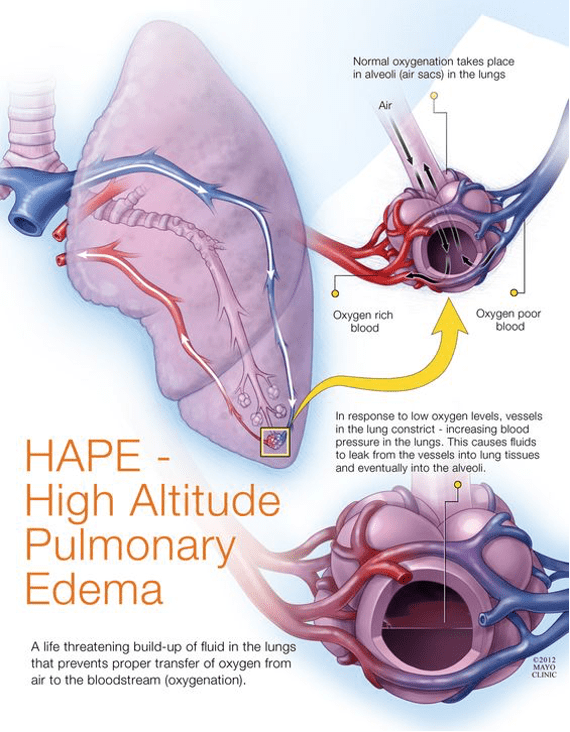
Illustration of High Altitude Pulmonary Edema and Hypothermia Clinical Features Diagnosis and Management symptoms

Medical Disclaimer: This is educational content only, not medical advice. Consult a licensed healthcare provider for diagnosis/treatment. Information based on sources like WHO/CDC guidelines (last reviewed: 2026-02-13).

About the Author: Dr. Dinesh, MBBS, is a qualified medical doctor with over [2 years – add your experience] of experience in general medicine As the owner and lead content creator of LearnWithTest.pro, Dr. Dinesh ensures all articles are based on evidence-based guidelines from sources like WHO, CDC, and peer-reviewed journals. This content is for educational purposes only and not a substitute for professional medical advice.

Contact Details: For inquiries or collaborations, reach out at:

All content is reviewed for accuracy and updated regularly (last review: January 10, 2026). We prioritize trustworthiness by citing reliable sources and adhering to medical ethics.

Frequently Asked Questions

What is high altitude pulmonary edema?

High altitude pulmonary edema is a life-threatening non-cardiogenic pulmonary edema caused by hypoxia-induced pulmonary hypertension after rapid ascent to high altitude, usually above 2500 to 3000 meters.

What causes high altitude pulmonary edema?

It is caused by uneven hypoxic pulmonary vasoconstriction leading to high pulmonary artery pressure, capillary stress failure, and leakage of protein-rich fluid into the alveoli.

What are the early symptoms of high altitude pulmonary edema?

Early symptoms include reduced exercise tolerance, exertional dyspnea, dry cough, fatigue, and mild chest tightness.

What are the severe signs of high altitude pulmonary edema?

Severe signs include dyspnea at rest, orthopnea, pink frothy sputum, cyanosis, tachycardia, hypoxemia, and bilateral lung crackles.

How is high altitude pulmonary edema diagnosed?

Diagnosis is primarily clinical based on symptoms, hypoxemia, chest findings, and history of recent ascent, supported by chest X-ray showing patchy bilateral infiltrates with normal heart size.

What is the most important treatment for high altitude pulmonary edema?

Immediate descent to a lower altitude combined with supplemental oxygen is the most critical and life-saving treatment.

Which medications are used in high altitude pulmonary edema?

Nifedipine is the primary drug used; phosphodiesterase-5 inhibitors like sildenafil may be used, and dexamethasone is added if cerebral edema is suspected.

How can high altitude pulmonary edema be prevented?

Prevention includes gradual ascent, adequate acclimatization, avoiding strenuous exertion, keeping warm, and prophylactic nifedipine in individuals with prior HAPE.

What is hypothermia?

Hypothermia is a condition in which core body temperature falls below 35 degrees Celsius due to excessive heat loss or impaired thermoregulation.

How is hypothermia classified?

Hypothermia is classified as mild at 32 to 35 degrees Celsius, moderate at 28 to 32 degrees Celsius, and severe below 28 degrees Celsius.

What are the common causes of hypothermia?

Common causes include environmental cold exposure, immersion in cold water, high altitude exposure, alcohol or sedative use, sepsis, hypothyroidism, and malnutrition.

What are the clinical features of mild hypothermia?

Mild hypothermia presents with shivering, tachycardia, slurred speech, impaired coordination, and cold diuresis.

What ECG change is characteristic of hypothermia?

Osborn or J waves on ECG are characteristic of hypothermia and indicate increased risk of ventricular arrhythmias.

How is hypothermia managed?

Management includes gentle handling, airway and circulation support, correction of hypoglycemia, and rewarming using passive, active external, or active internal methods depending on severity.

What is the principle behind resuscitation in hypothermia?

The key principle is that no one is considered dead until warm and dead, as hypothermia can mimic death and patients may recover after rewarming.

MCQ Test - High Altitude Pulmonary Edema and Hypothermia Clinical Features Diagnosis and Management

Progress:
0/15
Time: 00:00

1 A 27-year-old trekker ascends rapidly to 4,500 m in 2 days and develops dyspnea at rest, cough with pink frothy sputum, and SpO₂ 62%. Heart sounds are normal.

Explanation:

Rapid ascent, severe hypoxemia, pink frothy sputum, and normal cardiac findings are classic for high altitude pulmonary edema.

2 A patient with suspected HAPE is given immediate oxygen. Which intervention most definitively improves survival?

Explanation:

Immediate descent is the single most effective life-saving intervention in HAPE.

3 Which pathophysiological mechanism is central to HAPE development?

Explanation:

Uneven hypoxic pulmonary vasoconstriction causes high pulmonary pressures and capillary stress failure.

4 A climber with prior HAPE plans another ascent. Which prophylactic drug is most appropriate?

Explanation:

Nifedipine reduces pulmonary artery pressure and prevents recurrence of HAPE.

5 Which clinical feature best differentiates HAPE from pneumonia at high altitude?

Explanation:

HAPE shows dramatic improvement with oxygen and descent, unlike pneumonia.

6 A HAPE patient cannot descend due to weather constraints. What is the best interim management?

Explanation:

Portable hyperbaric chambers simulate descent and improve oxygenation.

7 A mountaineer at altitude develops dyspnea and confusion. Ataxia is present.

Explanation:

Neurological signs with respiratory symptoms suggest combined HAPE and HACE.

8 A hypothermic patient is found with core temperature 31°C, bradycardia, and altered sensorium.

Explanation:

Core temperature between 28–32°C defines moderate hypothermia.

9 Which ECG finding is characteristic of hypothermia?

Explanation:

Osborn waves are classic ECG findings in hypothermia.

10 A hypothermic patient stops shivering. What does this indicate?

Explanation:

Shivering ceases as core temperature falls below approximately 30°C.

11 A severely hypothermic patient develops ventricular fibrillation.

Explanation:

Hypothermic myocardium is irritable; CPR and rewarming are prioritized with limited defibrillation.

12 Which rewarming method is most appropriate for mild hypothermia?

Explanation:

Passive external rewarming is sufficient in mild hypothermia.

13 A hypothermic patient produces excessive dilute urine. This is due to:

Explanation:

Cold diuresis occurs due to central volume shift from peripheral vasoconstriction.

14 A patient with hypothermia appears dead with fixed pupils and no palpable pulse.

Explanation:

Hypothermia can mimic death; the rule is no one is dead until warm and dead.

15 A mountaineer presents with both hypothermia and HAPE.

Explanation:

Oxygen, thermal support, and descent address both hypothermia and HAPE effectively.

Test Results

0%
0/15
0
Correct Answers
0
Wrong Answers
00:00
Time Taken
0
Skipped
View Exam Mode MCQs (1767692256-index-2026-01-06T150643.539.html)

Related Articles

Comments