This article is being expanded for more depth. Check back soon!

Rheumatic Heart Disease Clinical Features Diagnosis Management and Prevention
Author: Medical Editorial Team – Board-certified physicians with 10+ years in emergency medicine. Learn more.

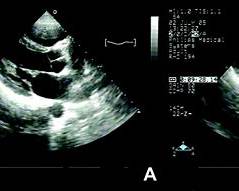
Illustration of Rheumatic Heart Disease Clinical Features Diagnosis Management and Prevention symptoms

Medical Disclaimer: This is educational content only, not medical advice. Consult a licensed healthcare provider for diagnosis/treatment. Information based on sources like WHO/CDC guidelines (last reviewed: 2026-02-13).

About the Author: Dr. Dinesh, MBBS, is a qualified medical doctor with over [2 years – add your experience] of experience in general medicine As the owner and lead content creator of LearnWithTest.pro, Dr. Dinesh ensures all articles are based on evidence-based guidelines from sources like WHO, CDC, and peer-reviewed journals. This content is for educational purposes only and not a substitute for professional medical advice.

Contact Details: For inquiries or collaborations, reach out at:

All content is reviewed for accuracy and updated regularly (last review: January 10, 2026). We prioritize trustworthiness by citing reliable sources and adhering to medical ethics.

Frequently Asked Questions

What is rheumatic heart disease?

Rheumatic heart disease is a chronic valvular heart condition caused by immune-mediated damage following acute rheumatic fever, which occurs after untreated or inadequately treated Group A streptococcal throat infection.

Which heart valves are most commonly affected in rheumatic heart disease?

The mitral valve is most commonly affected, followed by the aortic valve. Tricuspid involvement is usually secondary, and pulmonary valve involvement is rare.

How does acute rheumatic fever lead to rheumatic heart disease?

Acute rheumatic fever causes an autoimmune reaction due to molecular mimicry between streptococcal antigens and cardiac tissue, leading to inflammation, fibrosis, and permanent valvular damage.

What are the common symptoms of rheumatic mitral stenosis?

Common symptoms include exertional dyspnea, orthopnea, paroxysmal nocturnal dyspnea, hemoptysis, palpitations due to atrial fibrillation, and thromboembolic events such as stroke.

Why is atrial fibrillation common in rheumatic heart disease?

Left atrial enlargement due to mitral stenosis or regurgitation predisposes to atrial fibrillation, increasing the risk of thromboembolism.

What investigation confirms the diagnosis of rheumatic heart disease?

Echocardiography is the gold standard investigation as it defines valve morphology, severity of stenosis or regurgitation, chamber sizes, pulmonary pressures, and complications like atrial thrombus.

What is the role of secondary prophylaxis in rheumatic heart disease?

Secondary prophylaxis with long-acting benzathine penicillin prevents recurrent streptococcal infections and recurrent rheumatic fever, thereby slowing progression of valvular damage.

How long should secondary penicillin prophylaxis be continued?

Duration depends on severity: at least 5 years or until age 21 without carditis, 10 years or until age 21 with carditis, and often lifelong in patients with residual valvular disease.

When is balloon mitral valvotomy indicated in rheumatic heart disease?

It is indicated in symptomatic severe rheumatic mitral stenosis with favorable valve anatomy and absence of left atrial thrombus or significant mitral regurgitation.

Why are DOACs not preferred in rheumatic mitral stenosis with atrial fibrillation?

Warfarin is preferred because clinical trials have shown inferior protection with direct oral anticoagulants in rheumatic mitral stenosis.

What are the common complications of rheumatic heart disease?

Complications include atrial fibrillation, thromboembolism, infective endocarditis, pulmonary hypertension, heart failure, stroke, and sudden cardiac death.

How does pregnancy affect rheumatic heart disease?

Pregnancy increases blood volume and heart rate, which can precipitate pulmonary edema and heart failure, especially in mitral stenosis.

What is Ortner syndrome in rheumatic heart disease?

Ortner syndrome refers to hoarseness of voice due to compression of the left recurrent laryngeal nerve by an enlarged left atrium in severe mitral stenosis.

When is valve surgery indicated in rheumatic heart disease?

Valve surgery is indicated in severe symptomatic valvular disease, presence of left ventricular dysfunction, or when percutaneous intervention is not suitable.

How can rheumatic heart disease be prevented?

Prevention includes early treatment of streptococcal pharyngitis, long-term secondary prophylaxis after rheumatic fever, improved living conditions, and access to primary healthcare.

MCQ Test - Rheumatic Heart Disease Clinical Features Diagnosis Management and Prevention

Progress:
0/15
Time: 00:00

1 A 24-year-old woman presents with progressive dyspnea and hemoptysis. Examination reveals a loud S1, opening snap, and mid-diastolic murmur at the apex. Echocardiography shows mitral valve area 0.8 cm² with commissural fusion and no left atrial thrombus. What is the best definitive management?

Explanation:

Symptomatic severe rheumatic mitral stenosis with favorable valve morphology and no LA thrombus is best treated with balloon mitral valvotomy.

2 A 30-year-old man with rheumatic mitral stenosis and atrial fibrillation presents with sudden right-sided weakness. What is the most likely source of embolism?

Explanation:

Left atrial enlargement and atrial fibrillation in mitral stenosis predispose to thrombus formation in the left atrial appendage.

3 A 42-year-old woman with chronic rheumatic heart disease has severe mitral regurgitation, LV end-systolic dimension 45 mm, and EF 50%. She is symptomatic. What is the recommended management?

Explanation:

Symptomatic severe mitral regurgitation with LV dysfunction requires surgical intervention.

4 A 13-year-old boy presents with migratory polyarthritis and fever 3 weeks after sore throat. Echocardiography shows mild mitral regurgitation. What is the underlying mechanism of cardiac injury?

Explanation:

Rheumatic carditis results from autoimmune cross-reactivity between streptococcal antigens and cardiac tissue.

5 A pregnant woman with known rheumatic mitral stenosis develops acute pulmonary edema at 28 weeks gestation. What is the safest initial management?

Explanation:

Diuretics and rate control are first-line treatments in decompensated mitral stenosis during pregnancy.

6 A patient with rheumatic mitral stenosis undergoes evaluation for balloon valvotomy. Which finding is an absolute contraindication?

Explanation:

Presence of left atrial thrombus is an absolute contraindication to balloon mitral valvotomy.

7 A 36-year-old woman with rheumatic heart disease presents with fever and a new regurgitant murmur. What diagnosis must be urgently excluded?

Explanation:

Damaged rheumatic valves predispose strongly to infective endocarditis, which is life-threatening.

8 A patient with long-standing rheumatic mitral stenosis develops hoarseness of voice. What is the cause?

Explanation:

Left atrial enlargement can compress the left recurrent laryngeal nerve, causing Ortner syndrome.

9 A patient with rheumatic aortic regurgitation has bounding pulses and wide pulse pressure. What is the main hemodynamic mechanism?

Explanation:

Diastolic regurgitation into the LV causes low diastolic pressure and wide pulse pressure.

10 A patient with severe mitral stenosis develops right heart failure. What is the primary pathophysiological link?

Explanation:

Chronic pulmonary venous hypertension leads to pulmonary arterial hypertension and right ventricular failure.

11 A patient with rheumatic mitral stenosis and atrial fibrillation requires long-term anticoagulation. Which drug is preferred?

Explanation:

Warfarin is recommended in rheumatic mitral stenosis with atrial fibrillation; DOACs are not advised.

12 A 20-year-old with Sydenham chorea is diagnosed with acute rheumatic fever. Which chronic valve lesion is most likely to develop later?

Explanation:

Mitral valve involvement is the most common chronic sequela of rheumatic fever.

13 A patient with mixed rheumatic mitral stenosis and regurgitation is evaluated. What determines management priority?

Explanation:

Management is guided by the lesion that causes greater hemodynamic compromise.

14 A patient with prior rheumatic carditis is on secondary prophylaxis. What is the most effective regimen?

Explanation:

Intramuscular benzathine penicillin provides the most reliable secondary prophylaxis.

15 A patient with advanced rheumatic heart disease presents with cachexia, ascites, and peripheral edema. What stage does this represent?

Explanation:

Systemic congestion and cachexia indicate end-stage rheumatic heart disease with poor prognosis.

Test Results

0%
0/15
0
Correct Answers
0
Wrong Answers
00:00
Time Taken
0
Skipped
View Exam Mode MCQs (1767538255-index-2026-01-04T201813.643.html)

Related Articles

Comments