This article is being expanded for more depth. Check back soon!

Disorders of Parathyroid Gland Complete Clinical Guide for Medical Students
Author: Medical Editorial Team – Board-certified physicians with 10+ years in emergency medicine. Learn more.

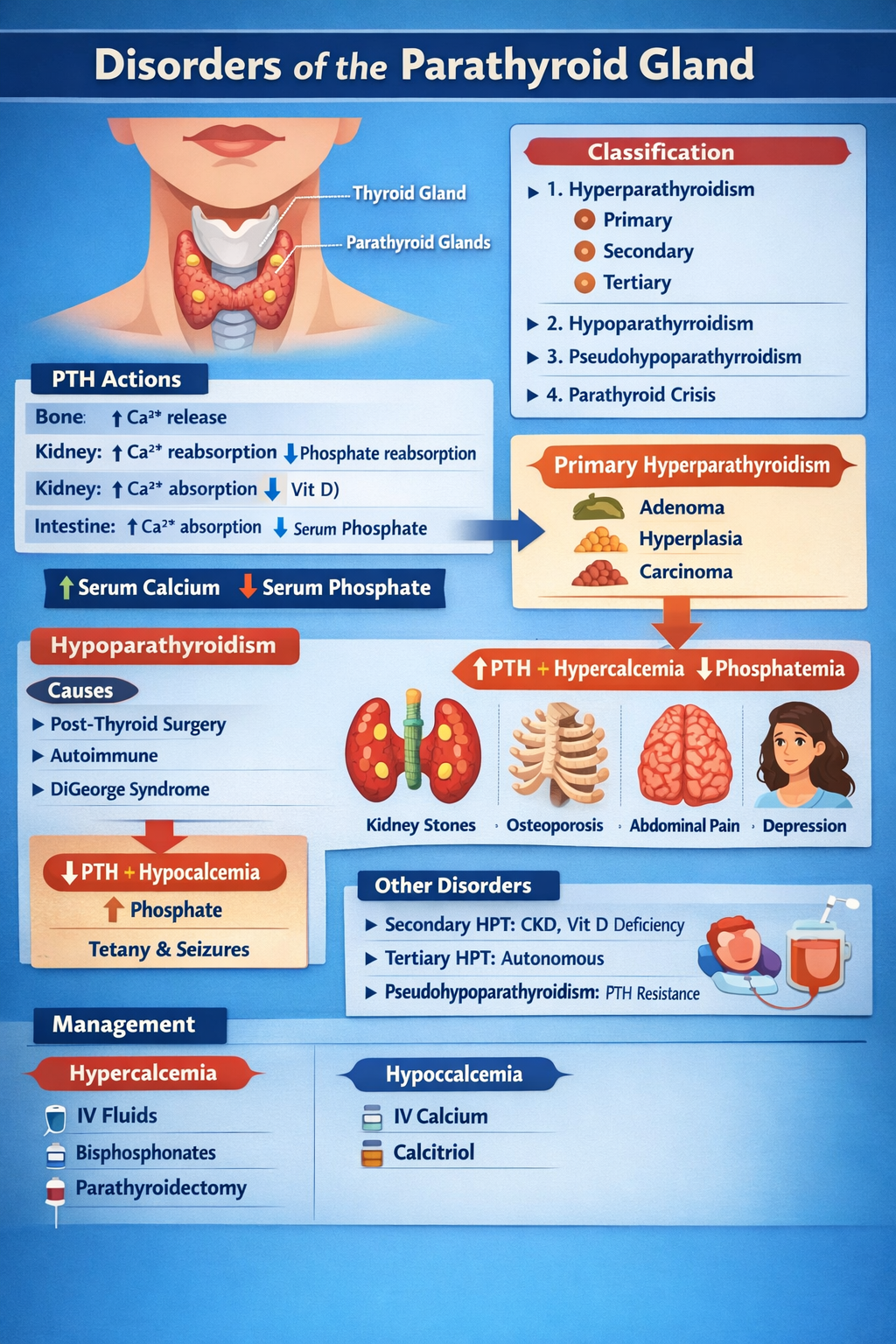
Illustration of Disorders of Parathyroid Gland Complete Clinical Guide for Medical Students symptoms

Medical Disclaimer: This is educational content only, not medical advice. Consult a licensed healthcare provider for diagnosis/treatment. Information based on sources like WHO/CDC guidelines (last reviewed: 2026-02-13).

About the Author: Dr. Dinesh, MBBS, is a qualified medical doctor with over [2 years – add your experience] of experience in general medicine As the owner and lead content creator of LearnWithTest.pro, Dr. Dinesh ensures all articles are based on evidence-based guidelines from sources like WHO, CDC, and peer-reviewed journals. This content is for educational purposes only and not a substitute for professional medical advice.

Contact Details: For inquiries or collaborations, reach out at:

All content is reviewed for accuracy and updated regularly (last review: January 10, 2026). We prioritize trustworthiness by citing reliable sources and adhering to medical ethics.

Frequently Asked Questions

What is the main function of the parathyroid gland?

The parathyroid gland regulates calcium and phosphate balance in the body by secreting parathyroid hormone which increases blood calcium levels.

What causes primary hyperparathyroidism?

Primary hyperparathyroidism is most commonly caused by a parathyroid adenoma, followed by parathyroid hyperplasia and rarely parathyroid carcinoma.

How does secondary hyperparathyroidism develop?

Secondary hyperparathyroidism occurs due to chronic low calcium levels, most often from chronic kidney disease or vitamin D deficiency.

What is tertiary hyperparathyroidism?

Tertiary hyperparathyroidism occurs when long-standing secondary hyperparathyroidism leads to autonomous overproduction of parathyroid hormone and hypercalcemia.

What are the common symptoms of hyperparathyroidism?

Common symptoms include kidney stones, bone pain, muscle weakness, constipation, depression, and excessive urination.

What are the key laboratory findings in primary hyperparathyroidism?

High serum calcium, low serum phosphate, elevated parathyroid hormone, and increased urinary calcium are typical findings.

What causes hypoparathyroidism?

Hypoparathyroidism is most commonly caused by accidental removal or damage to the parathyroid glands during thyroid or neck surgery.

What are the signs of hypocalcemia in hypoparathyroidism?

Signs include muscle cramps, tingling, tetany, seizures, Chvostek sign, Trousseau sign, and prolonged QT interval.

What is pseudohypoparathyroidism?

Pseudohypoparathyroidism is a condition in which the body is resistant to parathyroid hormone despite high hormone levels, leading to low calcium and high phosphate.

How are parathyroid disorders treated?

Treatment depends on the disorder and includes surgery for hyperparathyroidism, calcium and vitamin D supplementation for hypoparathyroidism, and medical therapy for secondary causes.

MCQ Test - Disorders of Parathyroid Gland Complete Clinical Guide for Medical Students

Progress:
0/15
Time: 00:00

1 A 60-year-old woman presents with recurrent renal stones, bone pain, and constipation. Serum calcium is 12.8 mg/dL and PTH is elevated. What is the most likely diagnosis?

Explanation:

High calcium with elevated PTH is characteristic of primary hyperparathyroidism usually due to a parathyroid adenoma.

2 A patient with chronic kidney disease has hypocalcemia, hyperphosphatemia, and markedly elevated PTH. What is the mechanism?

Explanation:

CKD causes phosphate retention and reduced vitamin D leading to secondary hyperparathyroidism.

3 A dialysis patient develops hypercalcemia with very high PTH after years of secondary hyperparathyroidism. What is the diagnosis?

Explanation:

Autonomous parathyroid hyperplasia causes tertiary hyperparathyroidism.

4 A patient develops carpopedal spasm and perioral tingling after thyroidectomy. Which abnormality explains this?

Explanation:

Accidental parathyroid removal causes hypocalcemia leading to tetany.

5 A short-statured patient with round face and brachydactyly has low calcium, high phosphate, and high PTH. What is the diagnosis?

Explanation:

End-organ resistance to PTH causes pseudohypoparathyroidism.

6 A patient with serum calcium of 15 mg/dL presents with dehydration and confusion. What is the first-line therapy?

Explanation:

Severe hypercalcemia is treated initially with aggressive IV hydration.

7 Which skeletal finding is typical of long-standing primary hyperparathyroidism?

Explanation:

Excess PTH causes subperiosteal bone resorption called osteitis fibrosa cystica.

8 A patient with hyperparathyroidism has low serum phosphate due to which effect of PTH?

Explanation:

PTH causes phosphaturia by reducing renal phosphate reabsorption.

9 A patient with hypercalcemia has suppressed PTH and normal vitamin D. What is the most likely cause?

Explanation:

Malignancy-related hypercalcemia suppresses PTH levels.

10 A neonate with hypocalcemic seizures is found to have absent parathyroid glands. Which syndrome is responsible?

Explanation:

DiGeorge syndrome causes failure of parathyroid development.

11 A patient with hypoparathyroidism is treated long-term with which drug?

Explanation:

Calcitriol is required to maintain calcium levels in hypoparathyroidism.

12 Which ECG change is seen in hypocalcemia?

Explanation:

Hypocalcemia prolongs the QT interval.

13 A patient has hypercalcemia with low urinary calcium excretion. What is the diagnosis?

Explanation:

Low urinary calcium suggests familial hypocalciuric hypercalcemia.

14 Which drug reduces PTH secretion by activating calcium-sensing receptors?

Explanation:

Calcimimetics suppress PTH by activating Ca-sensing receptors.

15 Definitive treatment of tertiary hyperparathyroidism is?

Explanation:

Autonomous parathyroid hyperplasia requires surgical removal.

Test Results

0%
0/15
0
Correct Answers
0
Wrong Answers
00:00
Time Taken
0
Skipped
View Exam Mode MCQs (1768140020-mcqBESTMODEL.html)

Related Articles

Comments