This article is being expanded for more depth. Check back soon!

Osteoporosis Causes Symptoms Diagnosis and Treatment Guide
Author: Medical Editorial Team – Board-certified physicians with 10+ years in emergency medicine. Learn more.

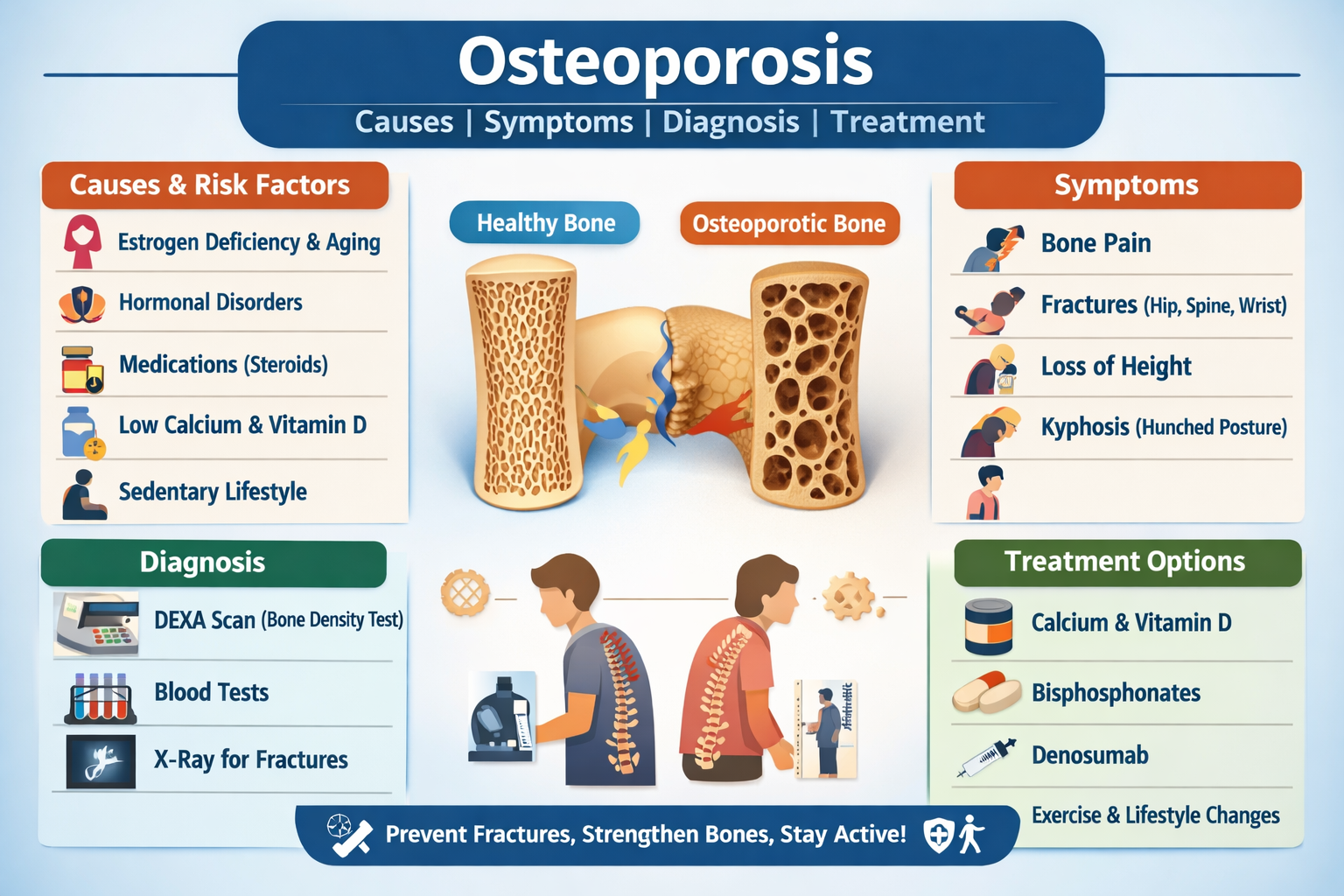
Illustration of Osteoporosis Causes Symptoms Diagnosis and Treatment Guide symptoms

Medical Disclaimer: This is educational content only, not medical advice. Consult a licensed healthcare provider for diagnosis/treatment. Information based on sources like WHO/CDC guidelines (last reviewed: 2026-02-13).

About the Author: Dr. Dinesh, MBBS, is a qualified medical doctor with over [2 years – add your experience] of experience in general medicine As the owner and lead content creator of LearnWithTest.pro, Dr. Dinesh ensures all articles are based on evidence-based guidelines from sources like WHO, CDC, and peer-reviewed journals. This content is for educational purposes only and not a substitute for professional medical advice.

Contact Details: For inquiries or collaborations, reach out at:

All content is reviewed for accuracy and updated regularly (last review: January 10, 2026). We prioritize trustworthiness by citing reliable sources and adhering to medical ethics.

Frequently Asked Questions

What is osteoporosis?

Osteoporosis is a bone disease characterized by decreased bone density and structural weakness, increasing the risk of fractures.

What are the main causes of osteoporosis?

Causes include aging, postmenopausal estrogen deficiency, long-term steroid use, poor calcium and vitamin D intake, sedentary lifestyle, and genetic factors.

Who is at highest risk of developing osteoporosis?

Postmenopausal women, elderly individuals, people with low body weight, smokers, chronic steroid users, and those with hormonal disorders are at higher risk.

What are the early symptoms of osteoporosis?

Osteoporosis is often asymptomatic in early stages until fractures occur; early signs may include mild back pain and gradual height loss.

What are common complications of osteoporosis?

Common complications include hip fractures, vertebral compression fractures, chronic back pain, spinal deformity, disability, and increased mortality.

How is osteoporosis diagnosed?

The gold standard diagnostic test is a DEXA scan, which measures bone mineral density and provides a T-score.

What does a T-score of −2.5 indicate?

A T-score of −2.5 or lower confirms the diagnosis of osteoporosis.

What lifestyle changes help prevent osteoporosis?

Regular weight-bearing exercise, adequate calcium and vitamin D intake, smoking cessation, limiting alcohol, and fall prevention strategies help prevent osteoporosis.

What is the first-line treatment for osteoporosis?

Bisphosphonates such as alendronate are the first-line pharmacologic treatment to reduce bone resorption and fracture risk.

What are alternatives if bisphosphonates are not tolerated?

Alternatives include denosumab, raloxifene, teriparatide, and hormone replacement therapy depending on patient profile.

How does vitamin D help in osteoporosis?

Vitamin D improves calcium absorption and supports bone mineralization, reducing bone loss.

What is a fragility fracture?

A fragility fracture is a bone fracture that occurs after minor trauma due to weakened osteoporotic bones.

Can osteoporosis be reversed?

Bone loss cannot be fully reversed, but treatment can significantly improve bone density and reduce fracture risk.

How often should bone density be tested?

DEXA scanning is usually recommended every 1–2 years in high-risk individuals or those on treatment.

What diet is best for osteoporosis?

A diet rich in calcium, vitamin D, protein, leafy greens, dairy products, and fortified foods supports bone health.

Does osteoporosis affect men?

Yes, men can develop osteoporosis, especially with aging, hypogonadism, alcohol use, or long-term medication use.

What medications increase osteoporosis risk?

Long-term corticosteroids, anticonvulsants, heparin, aromatase inhibitors, and excessive thyroid hormone increase osteoporosis risk.

How does teriparatide treat osteoporosis?

Teriparatide stimulates osteoblast activity, promoting new bone formation and improving bone strength.

What are the warning signs of osteoporotic fractures?

Sudden back pain, height loss, spinal curvature, hip pain after minor falls, and reduced mobility are warning signs.

How can falls be prevented in osteoporosis patients?

Home safety modifications, balance training, vision correction, proper footwear, and strength exercises reduce fall risk.

MCQ Test - Osteoporosis Causes Symptoms Diagnosis and Treatment Guide

Progress:
0/15
Time: 00:00

1 A 74-year-old postmenopausal woman presents with progressive height loss, chronic back pain, and recent vertebral compression fractures. DEXA scan shows a T-score of −3.2. What is the most important underlying mechanism of her condition?

Explanation:

Osteoporosis results from increased osteoclastic bone resorption exceeding osteoblastic bone formation.

2 A 68-year-old man on long-term corticosteroid therapy for COPD presents with a low-trauma hip fracture. What is the primary mechanism of steroid-induced osteoporosis?

Explanation:

Glucocorticoids suppress osteoblast activity and increase osteoclast-mediated bone resorption.

3 A 62-year-old woman has a DEXA scan T-score of −2.7 but has never fractured a bone. Which pharmacologic therapy is most appropriate as first-line treatment?

Explanation:

Bisphosphonates are first-line agents for reducing fracture risk in osteoporosis.

4 A 70-year-old woman taking alendronate complains of chest discomfort and dysphagia. Which counseling instruction would best prevent this adverse effect?

Explanation:

Bisphosphonates can cause esophageal irritation and should be taken upright with water on an empty stomach.

5 A 76-year-old woman stops denosumab abruptly after 2 years of therapy. What is the most concerning consequence?

Explanation:

Stopping denosumab abruptly can cause rapid rebound bone loss and increased fracture risk.

6 A 67-year-old man presents with vertebral fractures but normal serum calcium and phosphate levels. Which diagnostic test is most definitive for osteoporosis?

Explanation:

DEXA scan is the gold standard for measuring bone mineral density.

7 A 59-year-old woman with premature menopause asks about the major hormonal contributor to osteoporosis. Which hormone deficiency is primarily responsible?

Explanation:

Estrogen deficiency increases osteoclast activity and accelerates bone loss.

8 A 73-year-old woman develops jaw pain and exposed bone after dental extraction while on long-term bisphosphonate therapy. What is the most likely diagnosis?

Explanation:

Bisphosphonates are associated with osteonecrosis of the jaw, especially after dental procedures.

9 A 65-year-old frail woman with osteoporosis falls frequently. Which intervention best reduces fracture risk?

Explanation:

Fall prevention through balance and strength training is critical in fracture prevention.

10 A 69-year-old man with hypogonadism is diagnosed with osteoporosis. Which therapy best improves his bone mineral density?

Explanation:

Testosterone deficiency contributes to osteoporosis in men.

11 A patient with chronic kidney disease and osteoporosis requires treatment. Which medication should generally be avoided?

Explanation:

Bisphosphonates accumulate in renal impairment and may cause toxicity.

12 A 71-year-old woman presents with vertebral fractures but a near-normal DEXA scan. Which condition should be ruled out?

Explanation:

Osteomalacia causes fractures despite relatively preserved bone density.

13 A patient with severe osteoporosis and multiple fragility fractures is started on teriparatide. What is its primary mechanism of action?

Explanation:

Teriparatide stimulates osteoblast activity and new bone formation.

14 A 75-year-old woman presents with kyphosis and multiple vertebral compression fractures. What is the main cause of her spinal deformity?

Explanation:

Kyphosis in osteoporosis results from repeated vertebral compression fractures.

15 A patient asks how bisphosphonates reduce fracture risk in osteoporosis. What is the primary therapeutic effect?

Explanation:

Bisphosphonates inhibit osteoclast activity, preserving bone density and strength.

Test Results

0%
0/15
0
Correct Answers
0
Wrong Answers
00:00
Time Taken
0
Skipped
View Exam Mode MCQs (1769413234-index-2026-01-26T130850.868.html)

Related Articles

Comments